NeuroStar TMS Therapy in Pocatello, ID
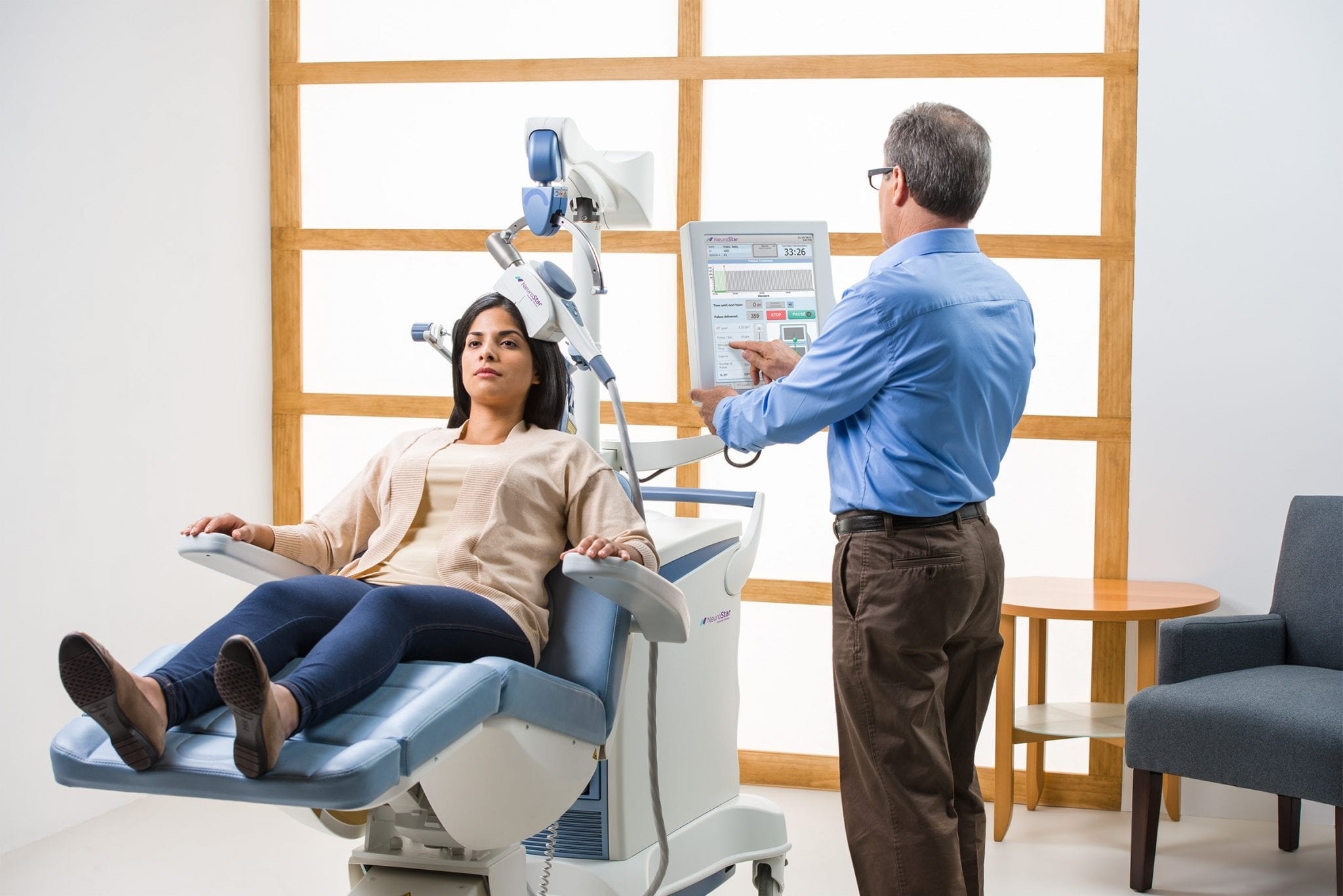
Brain Stimulation · FDA-Cleared · NeuroStar
NeuroStar TMS Therapy
Non-invasive brain stimulation for depression, OCD, and PTSD. No medication. No sedation. No downtime.
What TMS Treats
Roth Family Medicine & Mental Health provides FDA-cleared NeuroStar TMS therapy in Pocatello, ID. TMS uses magnetic pulses to stimulate underactive brain circuits, producing lasting antidepressant effects without the side effects of medication.
- FDA-cleared for major depression and OCD
- Also used off-label for PTSD, with growing research support
- Standard TMS and deep TMS (dTMS) protocols
- Typically 36 sessions over 6–9 weeks
- SAINT accelerated TMS: a full course in 5 days instead of 6–9 weeks
- No sedation, patients drive themselves
- Insurance coverage available for qualifying patients
- Effective for medication-resistant depression
- Maintenance TMS for relapse prevention
- Often combined with ketamine for enhanced response
Quick Answers
Common Questions, Plain Answers
- When was TMS FDA-cleared for depression?
- NeuroStar TMS was first FDA-cleared in 2008 for adults with major depression who did not improve enough with antidepressant medication.
- How many sessions is a standard TMS course?
- Usually about 36 sessions over roughly 6 to 9 weeks, given on weekdays in the office.
- Can I drive after TMS?
- Yes; there is no sedation, so most people drive themselves and return to work the same day.
Beyond Depression
Other Uses of TMS
FDA clearances depend on the specific device and protocol, and they change over time. Ask us which of these apply to the treatment we offer and whether TMS is a good fit for you.
FDA-Cleared Uses
The device and protocol matter.
- Major depression, including accelerated protocols like SAINT
- Depression in adolescents (ages 15–21, certain devices)
- Anxiety symptoms that come with depression (deep TMS)
- OCD (deep TMS)
- Quitting smoking (deep TMS)
- Migraine with aura
Off-Label, With the Strongest Research
Not FDA-cleared for these conditions; usually not covered by insurance.
- PTSD
- Bipolar depression
- Generalized anxiety disorder
- Chronic pain, fibromyalgia, and nerve pain
- Auditory hallucinations and negative symptoms in schizophrenia
- Stroke recovery, including movement and language problems
- Addiction and cravings (cocaine, methamphetamine, and alcohol)
Off-Label, Early or Mixed Research
Evidence is still developing; we will review it with you honestly.
- Binge eating and bulimia
- Tinnitus
- Parkinson's disease, including its depression and movement symptoms
- Symptoms after a concussion or brain injury
- Postpartum depression
- Tourette's
- Early Alzheimer's (memory)
- ADHD and autism
How TMS Works.
Evaluation
We assess your history, prior treatments, and candidacy for TMS during a comprehensive initial consultation.
Treatment Course
36 sessions over 6–9 weeks. Each session is 20–40 minutes. You sit in a chair, no anesthesia, no recovery time.
Lasting Relief
Most patients see improvement within 2–4 weeks. Maintenance sessions are available to sustain long-term results.
What to Expect
Your TMS Journey
Week 0
Consultation and mapping
We review your history, verify insurance, and map your treatment location and dose.
Weeks 1 to 2
Daily sessions begin
About 20 to 40 minutes, 5 days a week. No sedation, and you drive yourself.
Weeks 3 to 6
Progress builds
Many people start noticing better mood, sleep, and energy during this stretch.
Weeks 7 to 9
Taper
Sessions gradually decrease to lock in your gains.
After
Follow-up and maintenance
Regular check-ins, with maintenance sessions available if symptoms return.
Common Questions
Frequently Asked Questions
How long does a TMS course take?
A standard TMS course is 36 sessions over 6 to 9 weeks, with each session lasting 20 to 40 minutes. Most patients can drive themselves and return to normal activities immediately after.
What is the SAINT protocol?
SAINT (Stanford Accelerated Intelligent Neuromodulation Therapy) is an FDA-cleared, accelerated form of TMS for major depression. It uses MRI-guided targeting and short theta-burst sessions of about 10 minutes, given 10 times a day for 5 days, so a full course takes one week instead of 6 to 9 weeks. In clinical trials, many patients with treatment-resistant depression improved within days, with results comparable to or better than standard TMS. We will help you decide whether SAINT or standard TMS is the better fit.
Can TMS help with PTSD?
TMS is not FDA-cleared specifically for PTSD, but a growing body of research shows it can reduce PTSD symptoms, particularly when depression is also present. We offer TMS for PTSD off-label when it is a good fit, and we review the evidence, expected results, and costs with you during your evaluation. Insurance usually covers TMS for depression, not for PTSD alone.
Is TMS covered by insurance?
TMS is covered by many insurance plans for patients with major depressive disorder who have not responded to at least one antidepressant. We help verify your coverage before starting treatment.
Does TMS hurt?
Most patients experience a tapping or clicking sensation on the scalp during treatment. Some mild discomfort is common in the first few sessions but typically diminishes quickly.
How effective is TMS?
Clinical studies show approximately 50–60% of patients with treatment-resistant depression experience significant improvement with TMS, and about one-third achieve full remission.
Can TMS be combined with ketamine?
Yes, combining TMS and ketamine therapy can produce enhanced outcomes for some patients with treatment-resistant depression. We evaluate each patient individually to determine the best protocol.
Do you offer NeuroStar TMS in Pocatello?
Yes. We provide FDA-cleared NeuroStar TMS therapy in person at 444 Hospital Way, Suite 422, Pocatello, ID 83201. Call us at (208) 904-4705 to schedule a consultation.
Who is a good candidate for TMS?
TMS is a good fit for adults with depression that has not improved enough with antidepressants. During your evaluation we review your history and prior treatments to confirm TMS is the right next step.
Find Out If TMS Is Right for You
Talk to our team for 15 minutes and learn whether TMS or Spravato fits your situation and what your insurance covers.
15 minutes with our team: find out if TMS or Spravato fits you and what your insurance covers.
(208) 904-4705